Brachycephalic Airway Surgery
Brachycephalic Obstructive Airway Syndrome (BOAS): What Pet Parents Need to Know
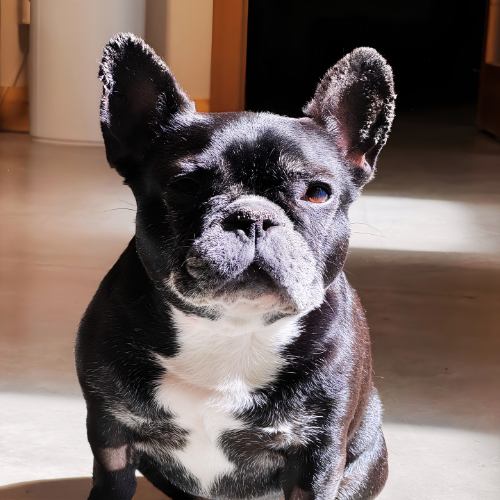
Our furry friends that are short-nosed, like Pugs, French Bulldogs, Boston Terriers, Bulldogs, and Shih Tzus, are irresistible. Behind their adorable expressions, many of these dogs face a hidden struggle: simply trying to breathe. Calgary’s PetDerm now offers soft palate laser surgery to help improve airway breathing issues in dogs.
Brachycephalic Obstructive Airway Syndrome (BOAS) is a common condition in short-nosed breeds. Their unique facial structure can compress the structures of the nose and throat into a much smaller space, leading to narrowed nostrils, long soft palates, and extra tissue in the airway. These structural features can lead to serious health issues that impact breathing, eating, and overall quality of life. Even moderate heat, exercise, or excitement can cause significant breathing difficulty.
The good news, BOAS is treatable!
Surgical Options for BOAS
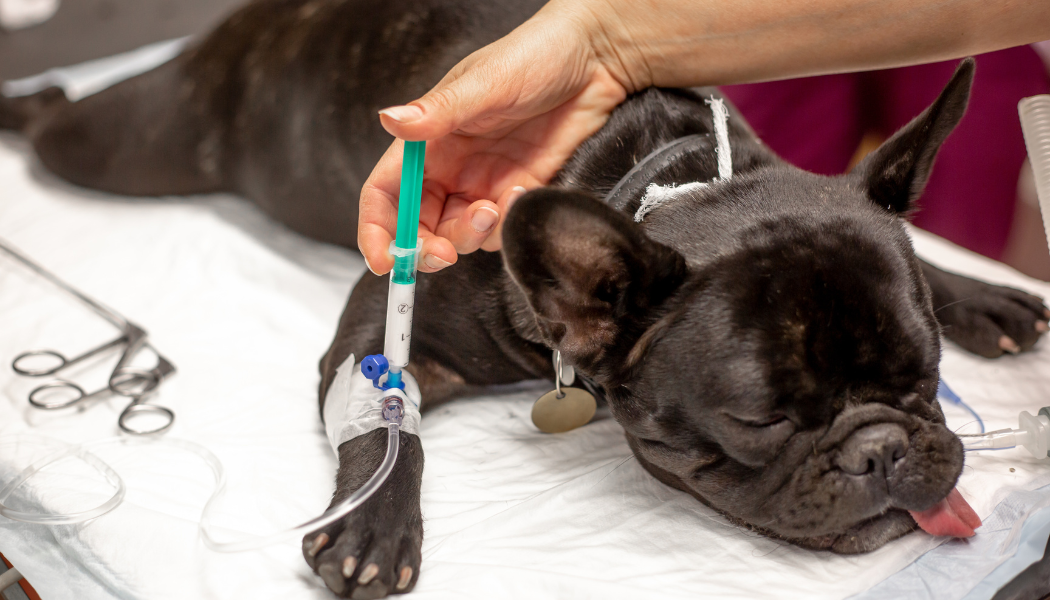
Dr. Becky Valentine DVM, DACVD, now offers laser-assisted BOAS surgery, a modern, minimally invasive approach designed to open the airway. The surgery uses precise laser tools to remove excess tissue from the soft palate and nasal passages – dramatically improving airflow.
Laser (no-scalpel) surgery has several benefits, including reduced bleeding, swelling, and trauma, which often provides a smoother recovery and less discomfort.
How Laser Surgery Works:
- Soft palate resection: The laser precisely trims the elongated soft palate.
- Rhinoplasty: widening of narrowed nasal passages.
- Benefits: Significantly less bleeding and expedited healing.
- Recovery: Less tissue trauma leads to quicker, more comfortable recovery times.
Does my dog show signs of BOAS?
Breathing difficulties in short-nosed dogs — snorting, noisy breathing, open-mouth panting, overheating, or tiring quickly — are often mistaken for “normal” for the breed. In reality, these signs may mean your dog is working much harder than they should to move air in and out.
If you’ve noticed any of these symptoms, speak with your family veterinarian about a referral. Early evaluation makes a big difference!

How to book this service?

BOAS Referral
Read MoreFrequently Asked Questions
It’s easy to assume snoring or noisy breathing is “normal” for short-nosed dogs, and BOAS is often missed until it becomes advanced. The RFGS provides:
- An objective way to classify breathing ability
- Early detection of airway obstruction
- A clear guide for whether surgery would help
- A baseline to track improvement after treatment
Clinics using RFGS can confidently determine whether a dog would benefit from procedures like laser BOAS surgery, and how urgently.
The RFGS is a standardized way to measure how well a brachycephalic dog can breathe. It was developed by experts at the University of Cambridge to provide a consistent, objective way to diagnose BOAS and determine how severe it is.
It helps identify dogs who need treatment before they reach a crisis stage.
The RFGS includes two main parts:
-
Listening to breathing at rest
The veterinarian listens for signs like snoring, wheezing, stridor (high-pitched breathing), or excessive panting. -
A short, controlled exercise test
Your dog walks or trots on a lead for a few minutes (usually around 3 minutes).
After the walk, the veterinarian evaluates your dog’s breathing again — checking recovery time, airway noise, and effort.
This gentle test is safe and designed to mimic normal activity your dog would experience at home. A pre-screen chest x-ray may be required.
After surgery, rest and limited activity are essential. Monitor your pet’s breathing, attend follow-up visits, and follow all post-operative care instructions. Dogs often experience less pain and recover faster after laser surgery. Post-surgery Phovia Treatment may be offered to further expedite safe, bacteria-free healing.
Only Grade 0 dogs are considered BOAS-negative. Grades 1–3 are BOAS-positive with increasing severity.
In North America, there are common breeds that have a higher incidence of BOAS due to exterme brachycephalic anatomy:
- French Bulldog
- English Bulldog
- Pug
- Boston Terrier
- Pekingese
- Shih Tzu
These breeds can experience BOAS if their individual conformation is more extreme (i.e short muzzle, narrower nostrils, and elongated soft palate):
- Boxer
- Cavalier King Charles Spaniel
- Lhasa Apso
- Brussels Griffon
- Japanese Chin
Your family veterinarian may start by gathering a detailed history about your dog’s breathing habits – snoring, snorting, tiring quickly, heat intolerance, regurgitation, or noisy breathing. They will perform a full physical exam.
If BOAS is suspected, ask your family veterinarian to refer your pet to PetDerm. Dr. Becky Valentine does a detailed assessment using the Respiratory Function Grading Scheme (RFGS).
Even after successful surgery, long-term care is vital. Maintain a healthy weight, avoid overheating, encourage hydration, and engage in gentle exercise. These steps help prevent recurrence and support lasting respiratory health.
Over time, BOAS can lead to other health issues as a dog is working much harder to move air. Some conditions may appear alongside BOAS:
- Weakening of the voice box (laryngeal collapse) – When a dog struggles to breathe for a long time, the cartilage in the throat can weaken and start to collapse inward, making breathing even harder.
- Lower airway collapse (bronchial collapse) – If the upper airway becomes very compromised, the smaller airways deeper in the chest can also start to narrow or collapse.
- Digestive issues – Dogs with BOAS often swallow more air when trying to breathe, which can lead to problems like reflux, vomiting, or even a sliding stomach (hiatal hernia). Many of these digestive issues often improve once their airway is corrected.
- Aspiration pneumonia – Because breathing and swallowing become more difficult, there is an increased risk of food or liquid accidentally entering the lungs, which can cause a serious infection.
Common symptoms include loud snoring or breathing, exercise intolerance, gagging or coughing, cyanosis (bluish tongue or lips), and heat intolerance. Recognizing these signs early is crucial as untreated BOAS can progress to severe respiratory distress in up to 40% of cases.
Explore Other Services