Equine Asthma
Reducing airway inflammation with each breath
Recognizing and Managing Equine Asthma
Equine asthma is a condition that affects a horse’s airways, making it harder for them to breathe comfortably—especially during exercise. Horses with chronic skin allergies may also experience airway inflammation triggered by the same allergens, such as dust, mold, and pollens. Because early signs can be subtle, equine asthma is often missed until breathing problems begin to affect performance or overall quality of life. Recognizing the condition early and managing it appropriately can make a meaningful difference.
PetDerm offers specialized evaluation and management of equine asthma in Southern Alberta, with a focus on allergic and environmentally driven disease.
Symptoms of Equine Asthma
The symptoms of equine asthma can vary and may worsen with exercise or exposure to airborne irritants. Common symptoms include:
- Coughing, especially during exercise or feeding
- Exercise intolerance or reduced stamina
- Increased breathing effort at rest
- Nasal discharge
PetDerm’s Whole-Horse Approach to Equine Asthma
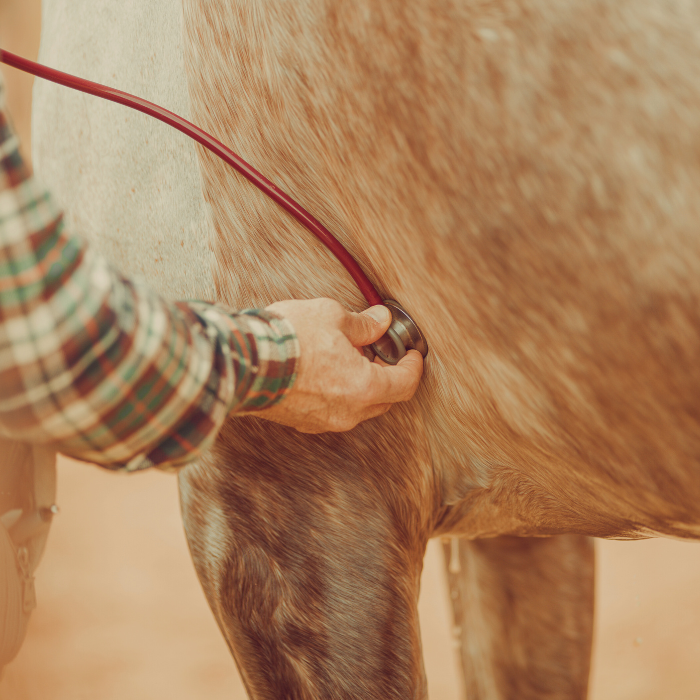
At PetDerm, we take a whole-horse approach to equine asthma care. Our evaluation looks beyond the respiratory symptoms to include the horse’s skin health, environment, and daily management.
Our approach may include:
- Detailed history of respiratory and skin symptoms
- Assessment of stable and pasture environments
- Identification of environmental and allergic triggers
- Coordination of care for horses with both skin and airway disease
This comprehensive perspective helps us create management plans tailored to each individual horse.
Enviornmental Management in Alberta’s Climate
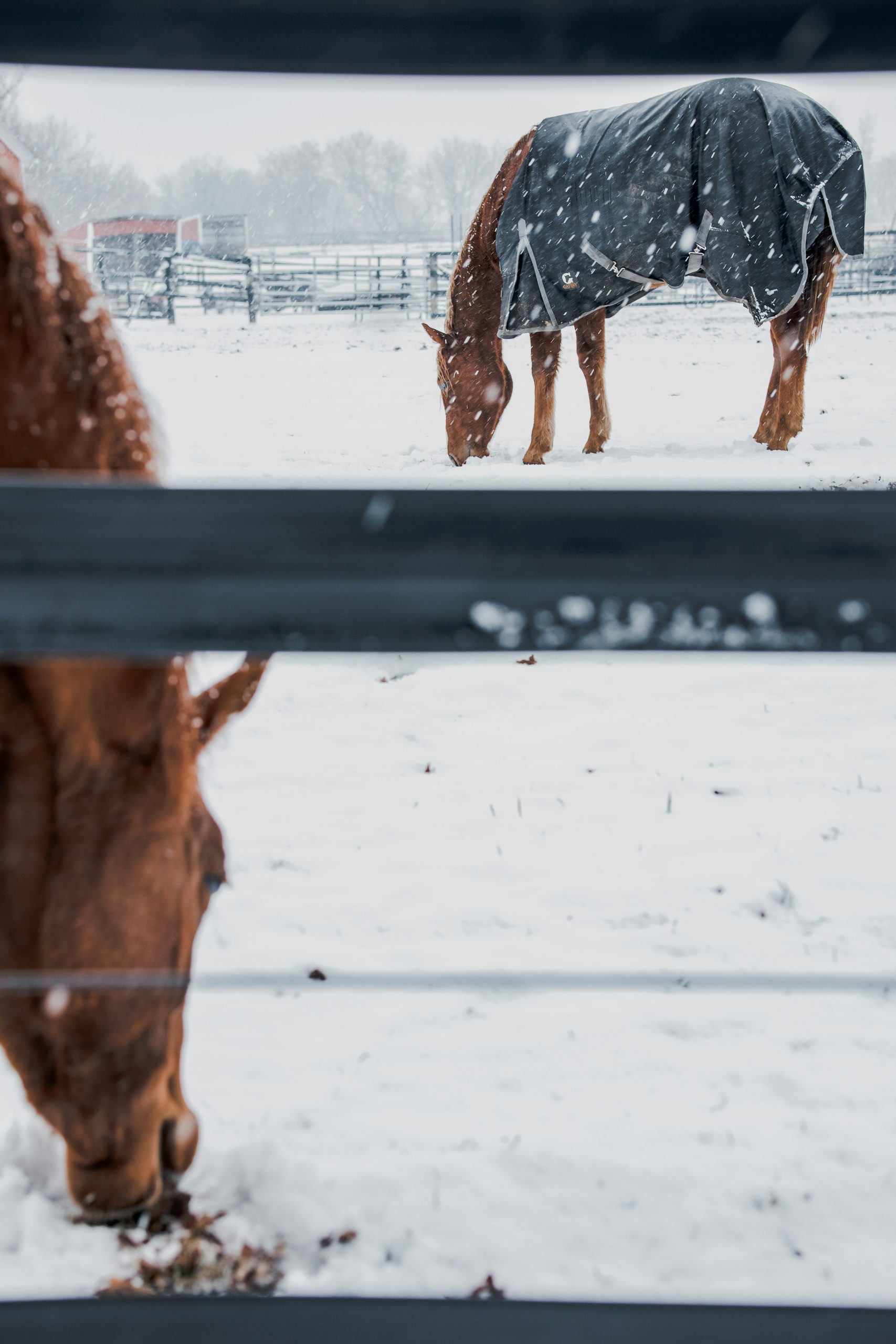
Environmental control is a cornerstone of equine asthma management, particularly across Alberta, where horses may spend extended time indoors due to weather or air quality conditions.
Management strategies may include:
- Reducing dust exposure in barns and stalls
- Modifying hay, bedding, or feeding practices
- Improving ventilation in stable environments
- Adjusting turnout and exercise routines
Small changes to the horse’s environment can significantly reduce allergen exposure and respiratory irritation.
Immunotherapy and Long-Term Allergy Management
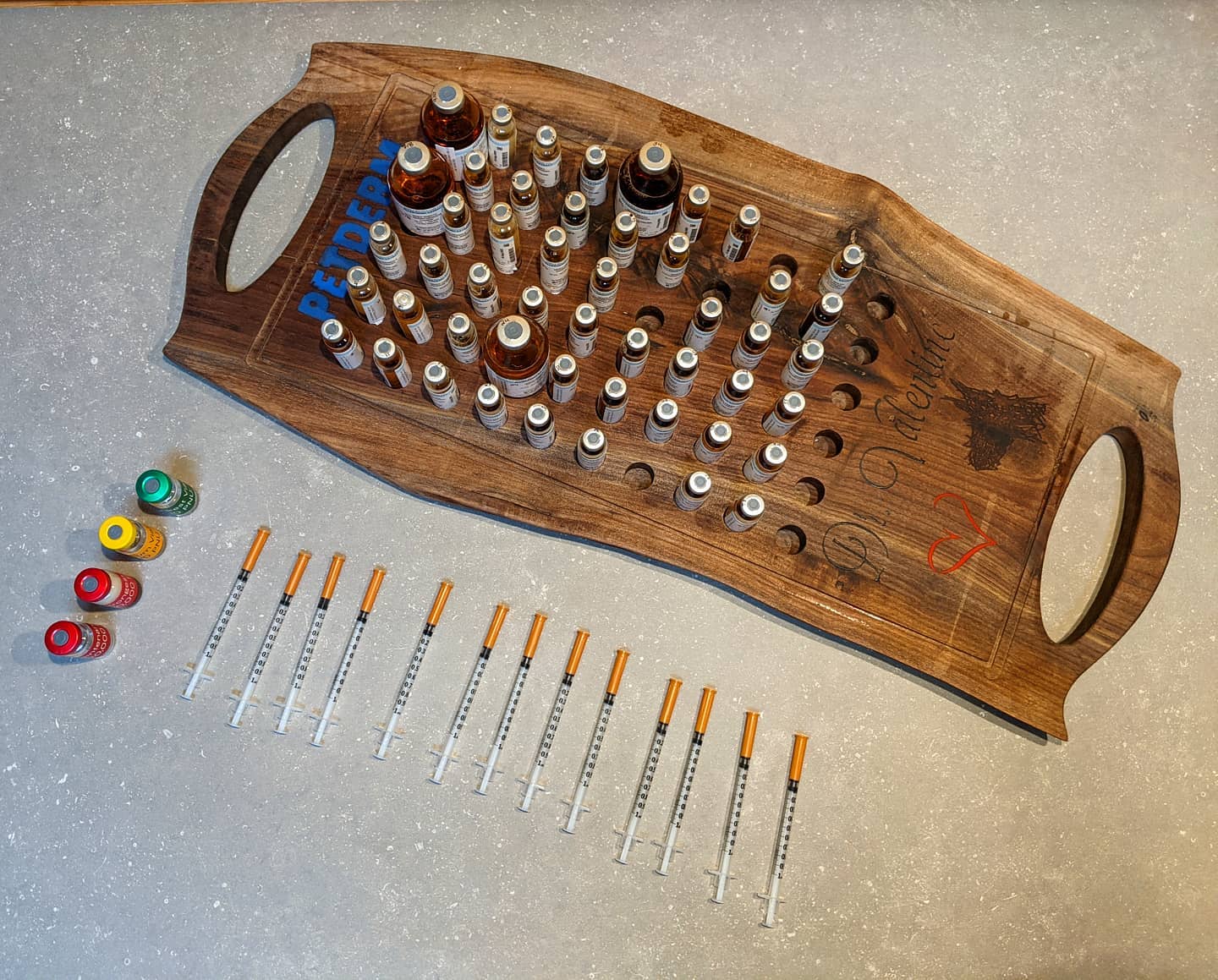
For horses with confirmed environmental allergies equine enviormental allergies contributing to asthma, allergen-specific immunotherapy may be considered as part of a long-term management plan. Immunotherapy is designed to reduce the immune system’s sensitivity to specific allergens over time.
Benefits of a targeted allergy management plan may include:
- Improved breathing comfort
- Better exercise tolerance
- Reduced reliance on short-term medications
- Improved control of both skin and airway symptoms
When to Consider an Equine Asthma Evaluation
PetDerm’s evaluation for equine asthma may be helpful if your horse:
- Coughs repeatedly during work or feeding
- Struggles to maintain performance
- Shows breathing changes alongside skin allergies
- Experiences recurring respiratory symptoms
Early assessment allows for clearer diagnosis and more effective long-term management. Ask your primary veterinarian for a referral today!

Equine Dermatology Referral Process
At PetDerm equine services, we prioritize your horse’s comfort and well-being. Simply ask your veterinarian to complete our online referral form, and once it’s submitted, a member of the PetDerm team will reach out to guide you through the next steps.
Appointments are scheduled offsite, and we collaborate with your primary veterinarian to tailor each appointment to your horse’s specific needs.

Frequently Asked Questions
Yes! Reducing exposure to dust, mold, and airborne irritants in barns and stables is one of the most effective ways to manage equine asthma. Especially in Alberta’s harsh climate where horses spend more time indoors during the winter months.
Equine asthma is often managed long-term rather than a curable disease. With appropriate environmental control and allergy management, many horses can have a comfortable and improved quality of life. PetDerm’s goal is the provide you and your primary veterinarian with a sustainable long-term management plan.
No. Equine asthma is not caused by bacteria or viruses. It is an inflammatory condition often linked to allergies and environmental exposure, which is why antibiotics are not typically effective. A dermatologic assessment may be necessary to evaluate the underlying cause and early on intervention to slow the progression of the disease.
Early signs may include occasional coughing, reduced stamina, slower recovery after exercise, or subtle breathing changes. These signs can be easy to miss at first but may worsen over time without medical intervention. If you suspect that your horse has enviornmental allergies, ask your primary veterinarian for a referral today!
In many horses, equine asthma is part of a broader allergic response. The same allergens that cause skin problems can also affect the airways, which is why some horses experience both skin and respiratory symptoms.
Learn more about PetDerm’s intradermal allergy testing.
Explore Equine Services