Equine Environmental Allergy Testing
A horse deserves to be comfortable in their own skin
How Do Equine Allergies Present
Environmental allergies are one of the most common causes of chronic skin problems in horses, especially in regions like Southern Alberta, where seasonal changes, insects, pollens, and barn environments can all affect a horse’s health. Horses dealing with environmental allergies may show signs such as persistent itching, hair loss, recurrent skin infections, and ongoing inflammation that can be challenging to manage without a clear diagnosis and treatment plan.
PetDerm is pleased to offer specialized equine allergy evaluations and intradermal allergy testing in Calgary, Alberta and surrounding areas, giving horse owners and referring veterinarians effective long‑term management options.
PetDerm’s Approach to Allergies
At PetDerm, we use a methodicial, evidence‑based approach when evaluating horses for environmental allergies. Diagnosis isn’t based on testing alone—it starts with understanding the horse’s history, daily environment, and clinical signs.
Our evaluation typically includes:
- A detailed medical and skin history
- Assessment of seasonal patterns and environmental exposures
- A thorough physical and dermatologic examination
- Review of previous treatments and how the horse responded
This step‑by‑step process helps us rule out other possible causes of skin issues and determine whether environmental allergy testing is the right next step for that individual horse.

Intradermal Allergy Testing in Horses
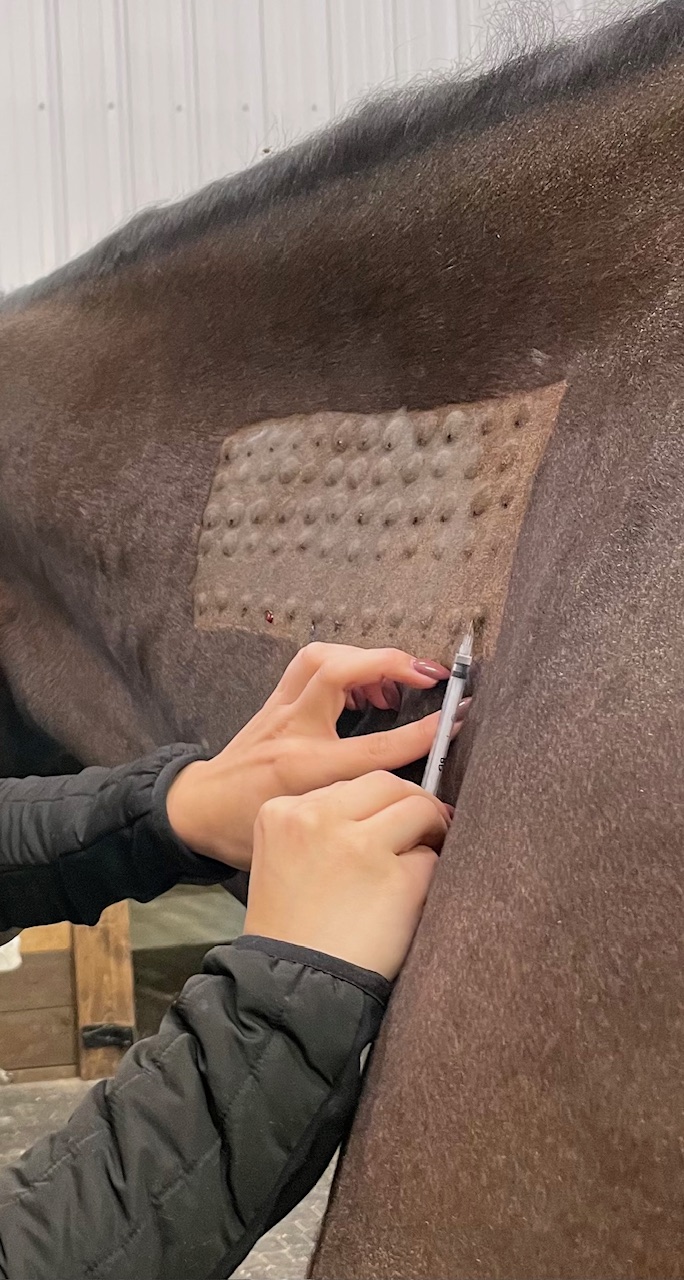
PetDerm offers intradermal allergy testing for horses, the gold standard for identifying environmental allergens. This test involves introducing very small amounts of common local allergens into the skin in a controlled way, allowing us to observe, and measure the horse’s immune response.
This type of testing is especially helpful for horses with chronic, recurring, or difficult‑to‑manage allergic skin disease. PetDerm may recommend intradermal testing when long‑term management is expected to include immunotherapy.
Tailored Immunotherapy for Equine Environmental Allergies
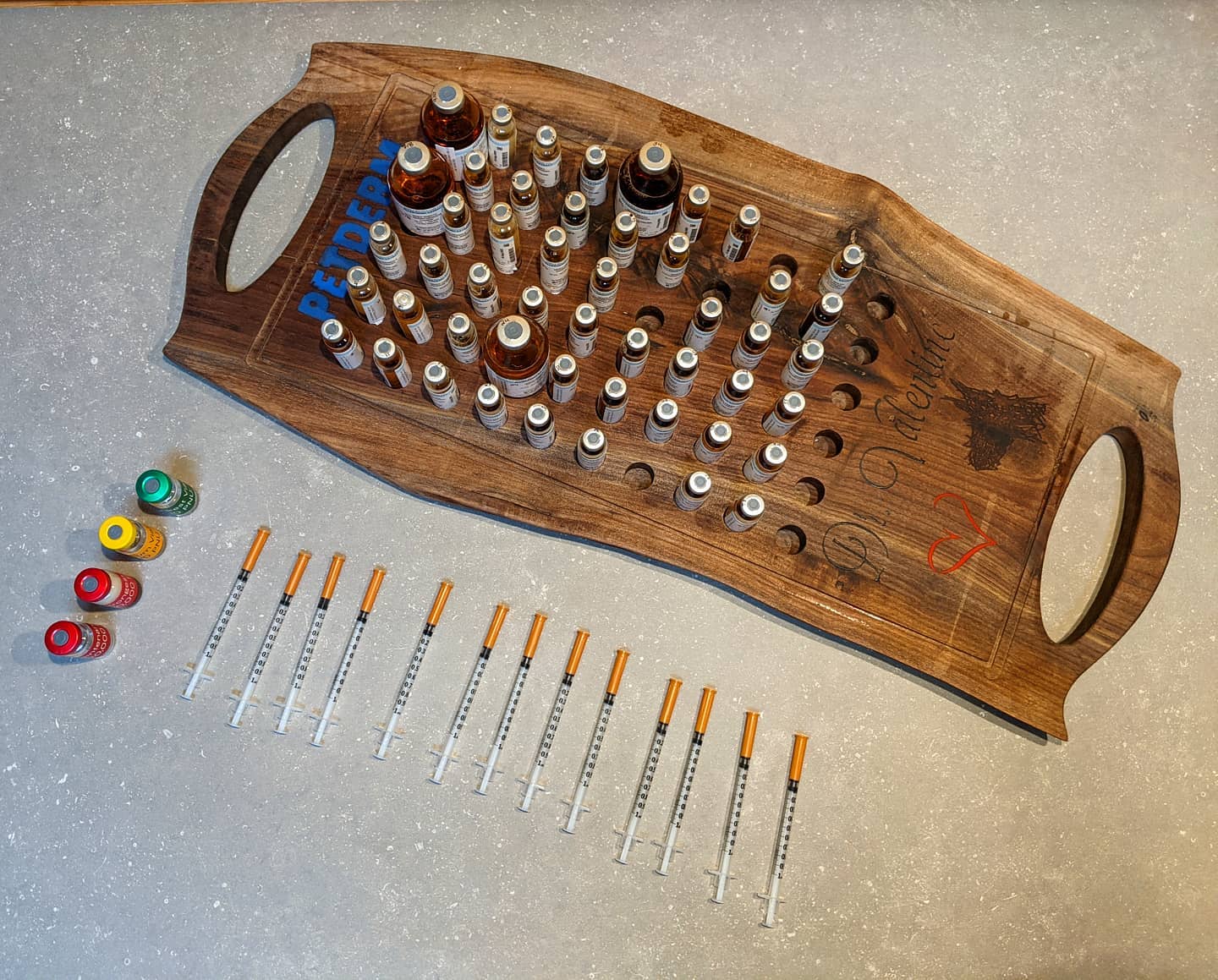
Intradermal allergy test results guides the PetDerm team in creating a customized allergen-specific immunotherapy designed for the individual horse. Immunotherapy works by gradually desensitizing the immune system to identified allergens, helping reduce the severity of symptoms over time.
A Long-Term Management Plan
Similar to humans, environmental allergies are often lifelong, persistent conditions. Our goal at PetDerm is not just short-term symptomatic relief, but sustainable, long-term management that fits the horse’s lifestyle, environment, and performance needs. We work closely with horse owners and referring veterinarians throughout Calgary, Southern Alberta, and Western Canada to ensure continuity of care.
Unsure what is itching at your horse? We also offer other equine dermatology services, including the diagnosis and management of complex skin disease and food allergy consultations.
Equine Dermatology Referral Process
At PetDerm equine services, we prioritize your horse’s comfort and well-being. Simply ask your veterinarian to complete our online referral form, and once it’s submitted, a member of the PetDerm team will reach out to guide you through the next steps.
Appointments are scheduled offsite, and we collaborate with your primary veterinarian to tailor each appointment to your horse’s specific needs.
Frequently Asked Questions
Immunotherapy works by gradually desensitizing the immune system to identified allergens, helping reduce the severity of allergic symptoms over time.
-
Long-term control of allergic skin disease
-
Reduced reliance on symptomatic medications
-
Improved comfort and quality of life
-
Management tailored to Alberta’s environmental allergens
Immunotherapy is particularly beneficial for horses requiring ongoing allergy management and those with limited response to standard treatments.
Horses with environmental allergies may show a wide range of symptoms, including:
-
Persistent or seasonal itching
-
Hair loss or broken hair coat
-
Skin thickening or pigment changes
-
Recurrent hives (urticaria)
-
Crusting, scabbing, or oozing lesions
-
Secondary bacterial or fungal infections
Because these signs can overlap with other skin conditions, accurate diagnosis is essential before initiating long-term therapy strategy.
Explore More Services