Equine Diet Consultations
Integrating dermatology and nutrition for whole-horse wellness
How Diet Can Influence Equine Skin and Gut Health
Diet can play an important role in a horse’s skin, digestive, or general health. Sometimes a horse may react to certain ingredients in their feed, even if they’ve been eating the same diet for years without any obvious issues.
Because the signs can overlap with other conditions, food allergies may be overlooked without a structured evaluation. For horses with persistent itching, recurring hives, or unexplained digestive upset, taking a closer look at their nutrition may help uncover contributing factors.
How Our Equine Diet Consultations Work
Diet‑related issues can be challenging to pinpoint, especially since there is no single test that identifies a food sensitivity or allergic reaction. A structured, step‑by‑step assessment helps build a clearer picture of how your horse’s overall diet — both controlled and incidental — may be influencing their skin, digestive health, or quality of life.
During a diet consultation, the PetDerm team considers:
- Medical and dermatological history
- Clinical signs and symptoms
- Previous dietary trials
- Excluding other causes such as insect hypersensitivity, atopic dermatitis, parasitic infections, fungal dermatitis, and contact allergies
Management of Equine Diet
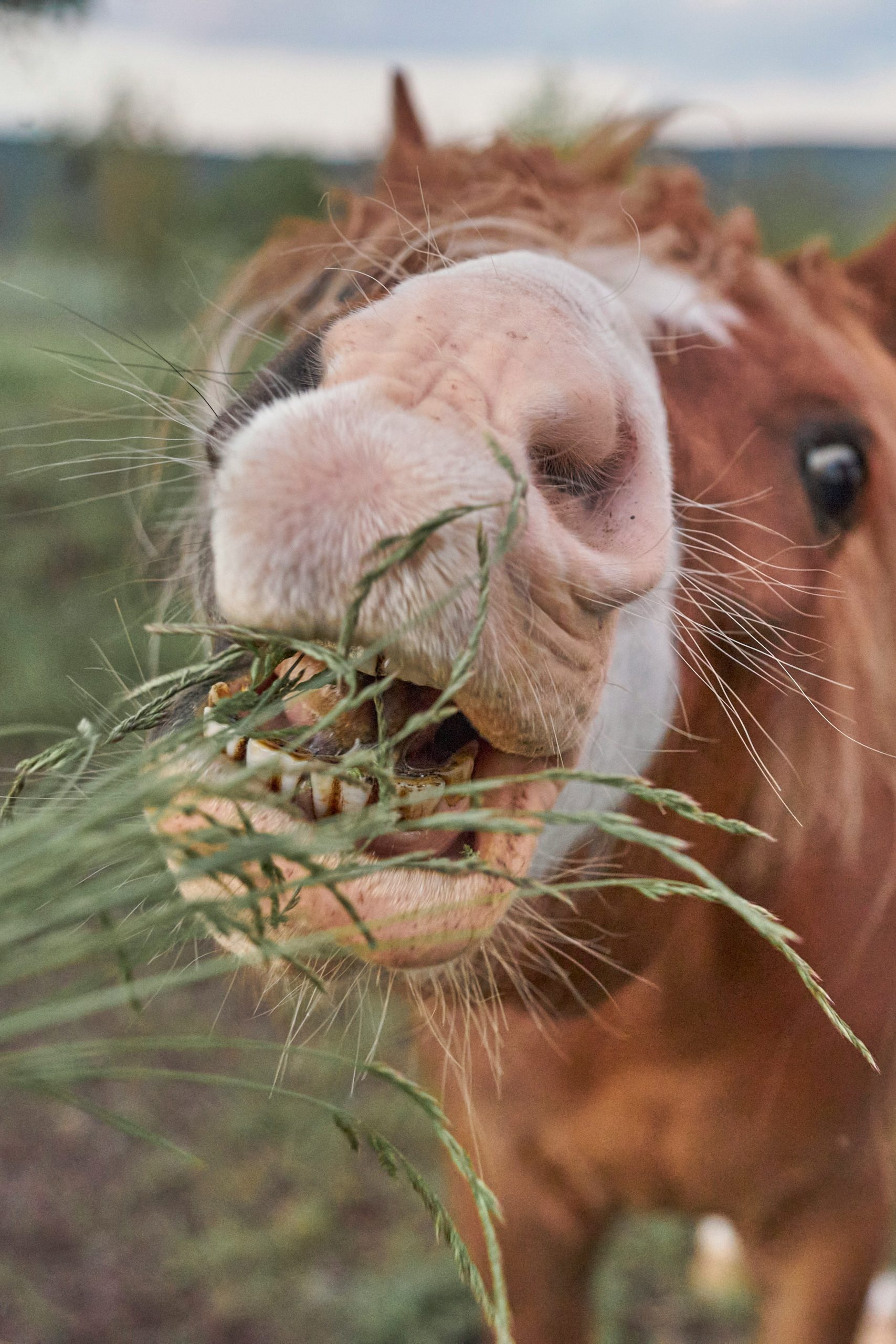
PetDerm understands food is a connection point with your horse, and it plays a major role in their overall health and performance. We understand how challenging and frustrating it can be to manage a feeding program, especially when your horse is experiencing ongoing skin or digestive concerns.
Because removing specific ingredients isn’t always practical or effective, our approach focuses on supporting your horse’s overall gut health and making thoughtful, manageable adjustments to their diet. Small, strategic changes can often provide valuable insight and help improve comfort over time.
When to Consider a Diet Evaluation
PetDerm’s structured diet evaluation may be appropriate if your horse:
- Has ongoing itching or hives with no clear explanation
- Does not respond as expected to standard allergy or skin treatments
- Experiences recurring digestive issues alongside skin concerns
If you suspect your horse’s diet may be contributing to chronic health issues, a guided evaluation can help identify triggers and create a clear, manageable feeding plan. Ask your primary veterinarian for a referral today!
Equine Dermatology Referral Process
At PetDerm equine services, we prioritize your horse’s comfort and well-being. Simply ask your veterinarian to complete our online referral form, and once it’s submitted, a member of the PetDerm team will reach out to guide you through the next steps.
Appointments are scheduled offsite, and we collaborate with your primary veterinarian to tailor each appointment to your horse’s specific needs.
Frequently Asked Questions
It is case dependent on your horse. In some cases, pasture access may need to be modified or changed, as grasses can act as dietary triggers for certain horses. This will depend on your horse’s history and symptoms. PetDerm’s team will review in your consultation what is resonable and accessible for you and your horse, if an elimination diet trial is suggested.
Currently, there is no single blood or skin test that can reliably diagnose food allergies in horses. The most accurate method is a carefully managed elimination diet followed by controlled reintroduction of foods to identify the trigger. The PetDerm can provide guidance on an elimination trial while providing immediate support to your horse’s gut health.
Yes. A horse can develop a reaction to a food they have previously tolerated well. Over time, the immune system may begin reacting differently to certain ingredients, leading to new or worsening symptoms.
Explore Equine Services