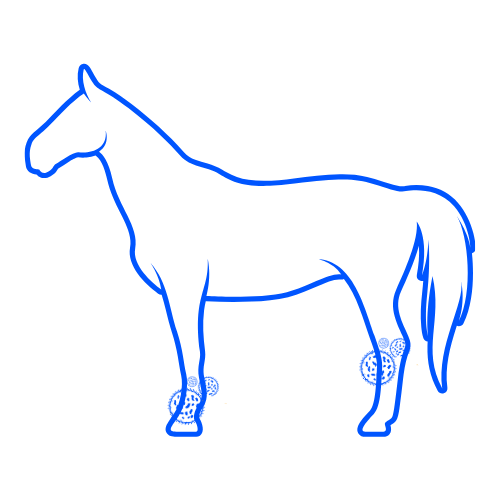
Equine Autoimmune Conditions
Long-term management plans for your horse's chronic condition
Autoimmune Skin Conditions in Horses
Autoimmune skin conditions occur when a horse’s immune system mistakenly attacks its own healthy skin tissue. This abnormal response can lead to significant inflammation and skin damage, often causing discomfort and ongoing skin issues that do not respond well to routine treatments. Equine autoimmune skin disease can be challenging to manage and may progressively worsen over time without appropriate care. Early recognition, accurate diagnosis, and a thoughtful long-term management plan are essential to maintaining your horse’s comfort and quality of life.
PetDerm offers specialized evaluation and management of equine autoimmune skin conditions in southern Alberta, working closely with horse owners and referring veterinarians to support horses with complex or chronic dermatologic disease.
What are Autoimmune Skin Conditions in Horses?
In a healthy horse, the immune system protects the body from infection and injury. In autoimmune skin disease, this system becomes dysregulated and begins targeting normal skin structures. The result is ongoing inflammation that impairs the skin’s ability to heal and function as a protective barrier.
Because the signs can resemble infections or allergic disease, autoimmune conditions often require a more in-depth dermatologic evaluation.
Symptoms of Autoimmune Skin Disease
Clinical signs vary depending on the specific condition and the individual horse. Common symptoms may include:
- Severe or persistent skin inflammation
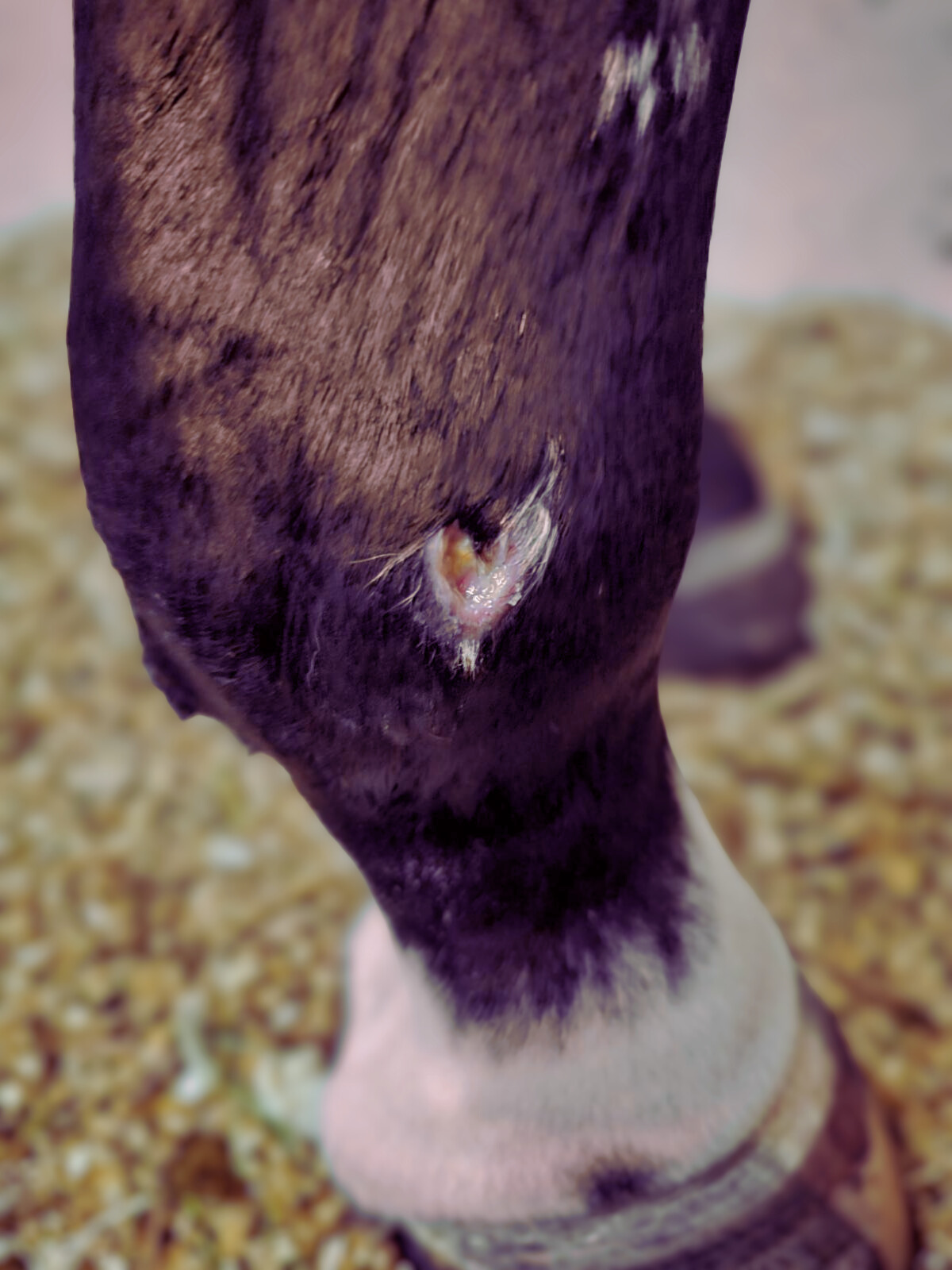
- Crusting, scabbing, or ulceration
- Hair loss or changes in coat texture
- Poor healing of skin lesions
- Limited or temporary response to routine therapies
PetDerm’s Approach to Autoimmune Skin Conditions
Autoimmune skin diseases can be confusing and frustrating for owners, especially when they appear similar to infections or allergies and don’t respond to routine treatments. PetDerm’s approach is a balanced and individualized evaluation of your horse. Our goal is to control the disease activity while supporting your horse’s overall quality of life.
Our approach may include:
- Comprehensive dermatologic assessment
- Review of prior treatments and response
- Long-term disease monitoring
Treatment plans are tailored to the individual horse and may be adjusted over time as the condition evovles.
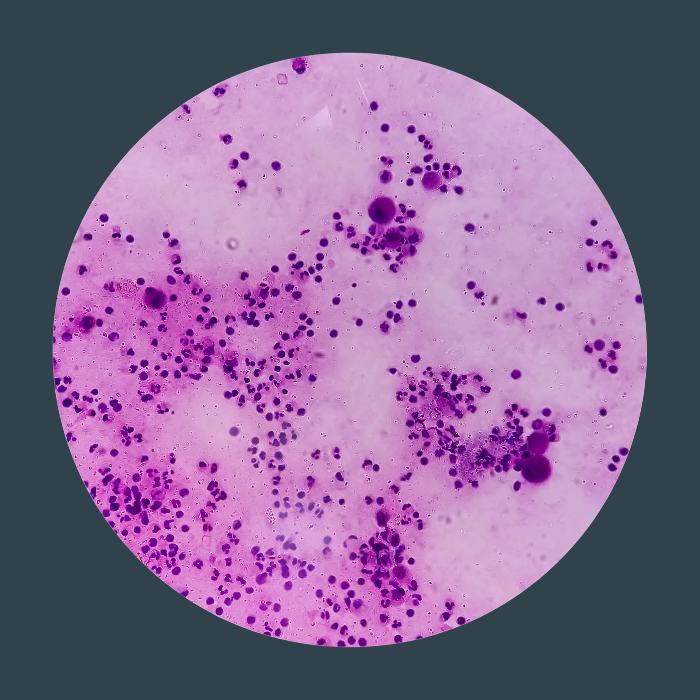
When to Consider an Autoimmune Evaluation
A dermatology‑focused evaluation may be appropriate if your horse:
- Has skin lesions that do not heal or continue to return
- Shows limited or short‑lived response to standard treatments
- Experiences worsening or spreading skin disease
- Has been treated repeatedly for infection without lasting improvement
Early referral can help avoid unnecessary treatments and improve long‑term outcomes.
Equine Dermatology Referral Process
At PetDerm equine services, we prioritize your horse’s comfort and well-being. Simply ask your veterinarian to complete our online referral form, and once it’s submitted, a member of the PetDerm team will reach out to guide you through the next steps.
Appointments are scheduled offsite, and we collaborate with your primary veterinarian to tailor each appointment to your horse’s specific needs.
Frequently Asked Questions
Some horses will require ongoing management, while others may experience various periods of improvement. PetDerm will work closely with your primary veterinarian to create a responsive and malluable treatment plan to match your horse’s current symptoms.
Autoimmune skin conditions are usually managed rather than cured. With the right treatment plan, many horses can remain comfortable, and active. Early detection can help slow the progression of the disease.
They can be uncomfortable or painful, especially when lesions are inflamed or slow to heal. Proper management focuses on reducing discomfort and preventing complications. PetDerm’s dermatological veterinarian provides an individualized management plan to improve the overall quality of life for your horse.
Explore Equine Services