Internal Medicine Case Study – Cane
Cane was one of the first cases seen by the internal medicine service at PetDerm. His case highlights the value of a thoughtful, collaborative approach to complex disease.
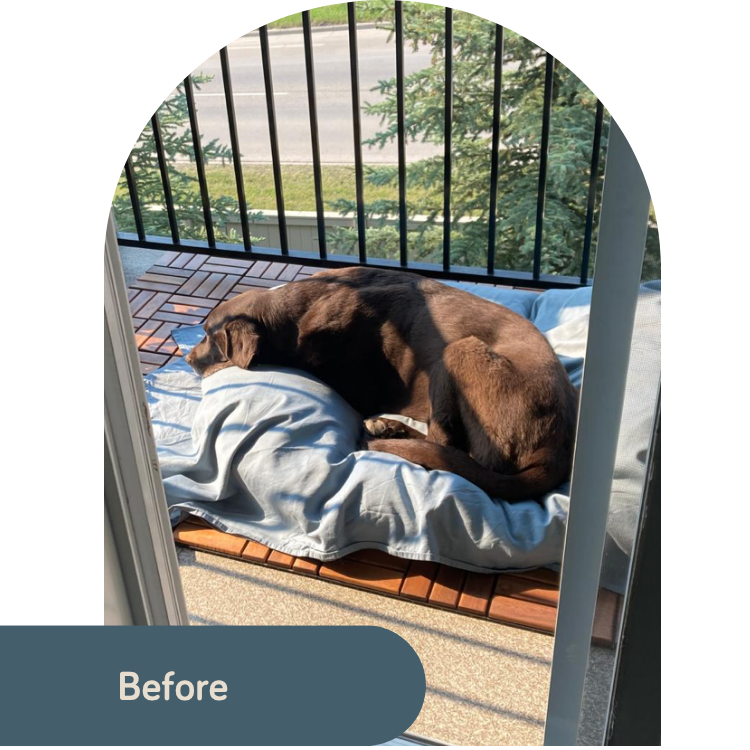
Cane presented soon after sustaining cruciate ligament injury which required surgery, significant loss of body fat AND muscle, poor appetite, fever and lethargy. In addition, he had a long-term history of chronic intermittent diarrhea.
Following physical and diagnostic evaluation, Cane was ultimately diagnosed with primary immune‑mediated polyarthritis (IMPA). A presumptive diagnosis was made based on joint fluid analysis(cytology) demonstrating inflammation. The inflammation seen with immune mediated disease is characterized by elevations in inflammatory cells called neutrophils, several conditions can result in similar joint cytology — including septic arthritis, systemic inflammatory disease, tick‑borne disease, and secondary immune‑mediated disease. Secondary immune mediated disease means an underlying process has triggered the immune system (eg. Cancer, other).
A comprehensive diagnostic work‑up was undertaken to evaluate for underlying disease to support a diagnosis of primary IMPA prior to initiating immunosuppressive therapy.
Management was further complicated by the fact that Cane had recently undergone cruciate ligament repair at @FullerAnimalHospital prior to referral. Given his significant muscle wasting and recent orthopaedic surgery, the use of corticosteroids was deferred, as this could have delayed surgical recovery and exacerbated muscle loss. Instead, a carefully selected immunosuppressive treatment plan was implemented with close monitoring.
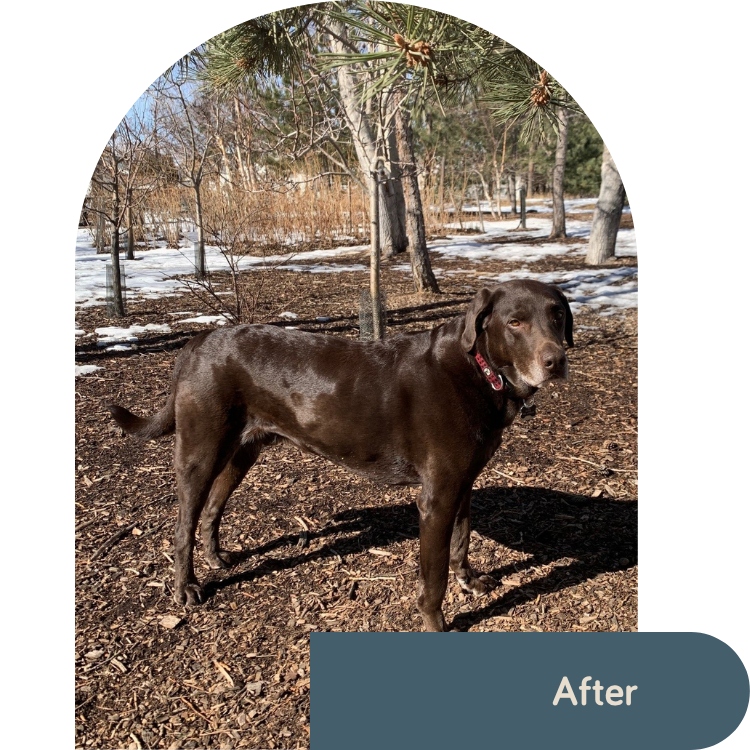
Cane’s clinical response was excellent. He showed gradual improvement in comfort, mobility, and overall wellbeing, with resolution of systemic signs. We are pleased to report that he is currently stable and has now been off all immunosuppressive therapy for five months, with no recurrence of clinical signs. We have also found a diet that has led to resolution to his frequent episodes of diarrhea improving his quality of life even further.
This case demonstrates the importance of a tailored diagnostics and personalized treatment plans when managing internal medicine cases.
Written By: Dr. Chantal McMillan, DVM, MVSc, DACVIM